
Viral clip captures woman appearing to smile and wink at camera during Lindsay Clancy trial
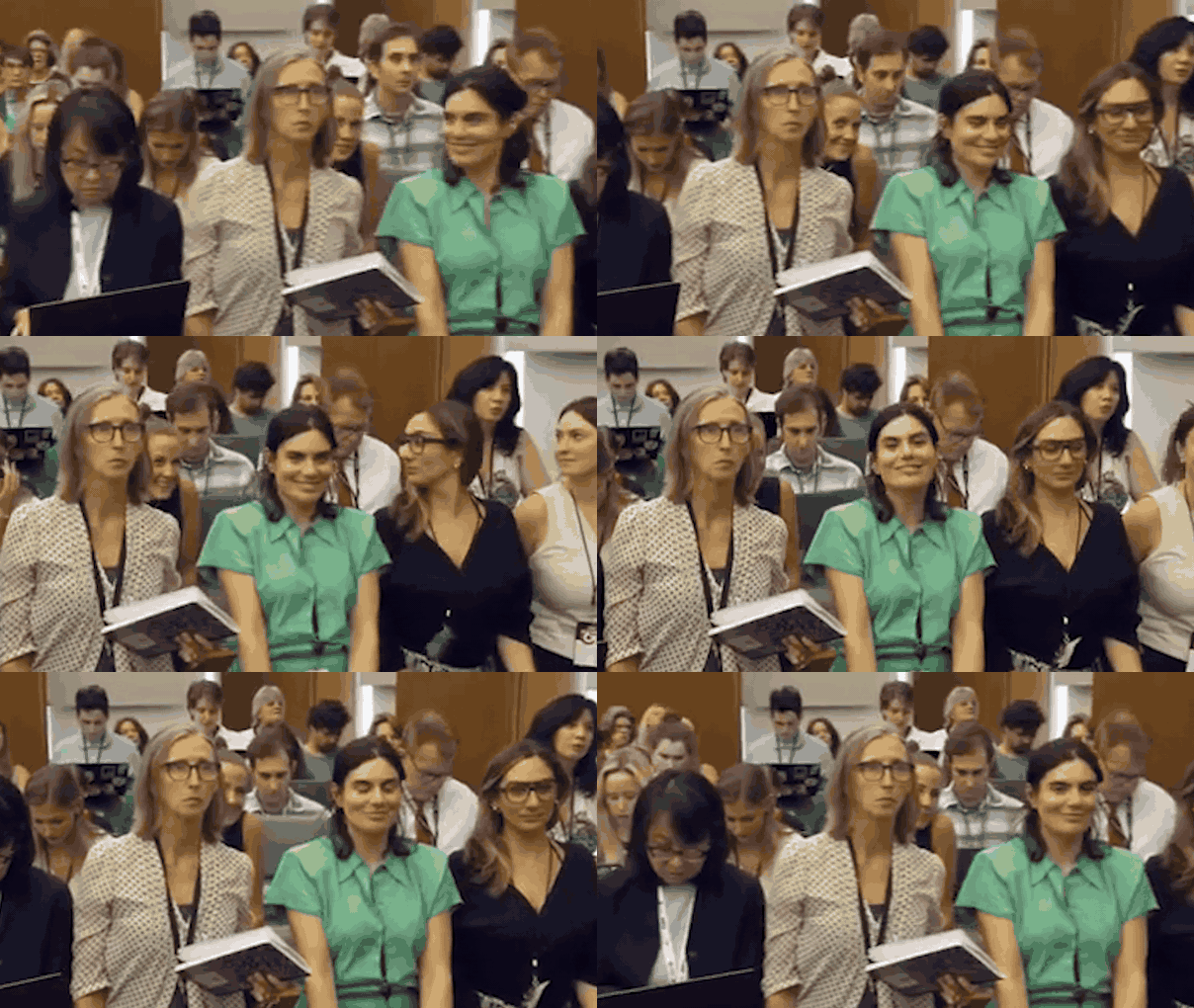
A video captured inside the courtroom during the Monday trial proceedings of Lindsay Clancy appears to show spectator Brittany Romano smiling, posing, and winking toward the camera. The behavior drew swift criticism across social media, where users blasted the actions as inappropriate given the tragic nature of the proceedings involving the murder trial of three children. Romano later addressed the backlash on social media, defending her actions and claiming her expressions were meant for family watching the broadcast.
NEWYou can now listen to Fox News articles!
A spectator’s courtroom conduct in the Lindsay Clancy trial proceedings has gone viral after video appears to show the woman grin and wink at the camera providing the livestream.
Toward the end of the proceedings, a camera pans over to the spectators and as they are ordered to stand up, a woman in a green dress appears to smile then wink at the camera as it pans away.
The woman appears to be Brittany Romano, who according to her professional website, is a New York City-based journalist who contributes to magazines “Elle,” “Cosmopolitan,” and “Teen Vogue” to name a few.
A woman wearing a green dress appears to smile and wink during court proceedings of the Lindsay Clancy trial on Monday. (Court TV via Pool)
LINDSAY CLANCY’S THREE CHILD VICTIMS FORGOTTEN AMID CROWDS OF SUPPORT: MOTHER OF SIX
Romano has been following the trial posting on her various social media profiles about the case.
FOLLOW THE FOX TRUE CRIME TEAM ON X
Lindsay Clancy is the Massachusetts mother currently on trial for murder for the 2023 strangling deaths of her three young children inside the family’s Duxbury home.
LINDSAY CLANCY’S PARENTS GET MASSIVE GLOBAL DONOR SUPPORT AS FUNDRAISER SURPASSES $830K
She doesn’t deny the charges and her defense argues she is not “criminally responsible” because she was suffering from undiagnosed postpartum psychosis at the time of the killings.
SIGN UP TO GET THE LATEST TRUE CRIME NEWS
As for Romano, she recently posed for a “selfie” with Clancy’s Attorney Kevin Reddington last week and posted it on X.
LIKE WHAT YOU’RE READING? CLICK HERE FOR MORE
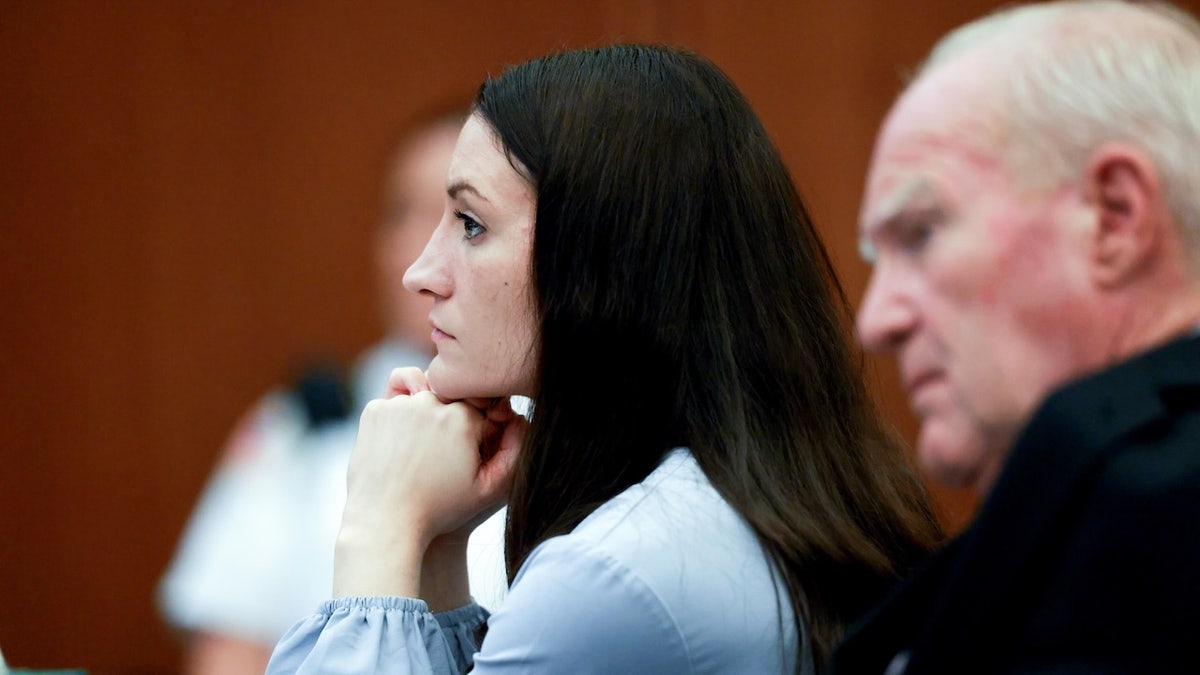
Plymouth, MA – August 11: Lindsay Clancy sits next to her defense attorney, Kevin Reddington, during her murder trial at Plymouth Superior Court on August 11, 2026. (Photo by Jonathan Wiggs/The Boston Globe via Getty Images)
SEND US A TIP
In a video posted to social media following the Monday proceedings, someone appears to ask Romano why she was reportedly smiling on the livestream, to which she responded and said “I was laughing because I grew up with Lindsay,” she says.
LISTEN TO THE NEW ‘CRIME & JUSTICE WITH DONNA ROTUNNO’ PODCAST
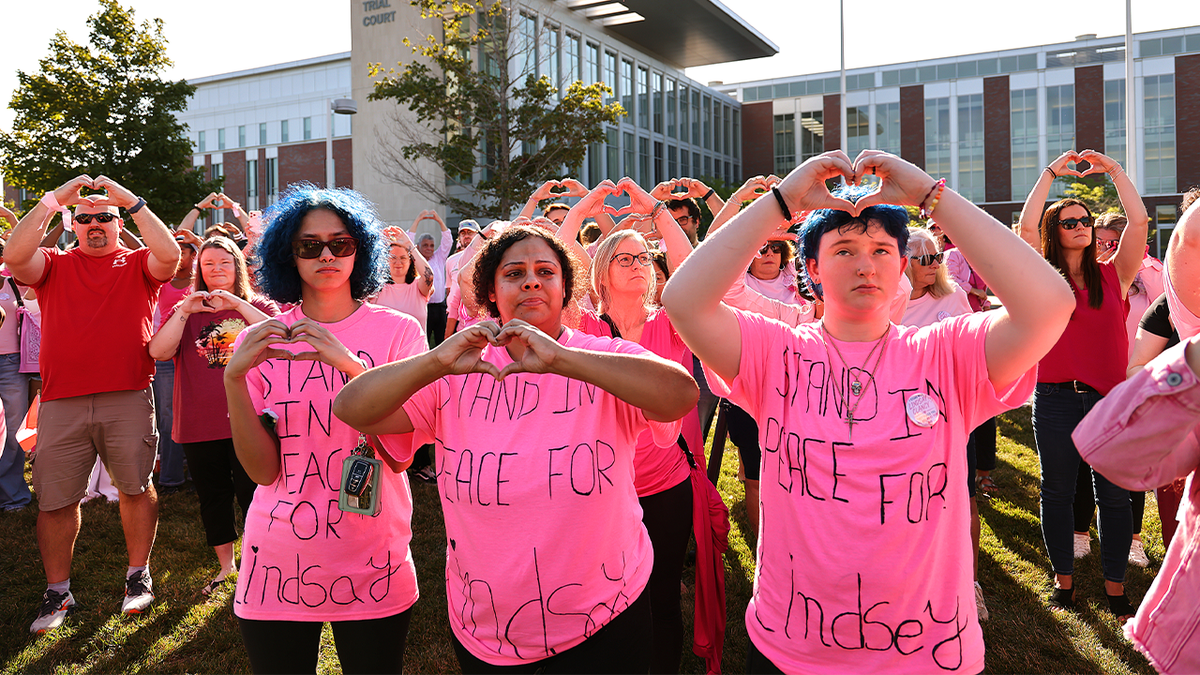
Supporters of Lindsay Clancy gather outside of Plymouth Superior Court on August 20, 2026. (John Tlumacki/The Boston Globe via Getty Images)
GET BREAKING NEWS BY EMAIL
Following her new social media fame, Romano has defended her actions and wrote in a post “I’m actually proud of myself because these trolls have been absolutely vile,” the now-deleted post said in part.
LINDSAY CLANCY TRIAL: POSTPARTUM IS REAL, BUT CHILD KILLING DEMANDS ACCOUNTABILITY, VETERAN PROSECUTOR SAYS
Fox News Digital has reached out to the court and Romano for comment.